
Why Is Regular Cleaning of the Aerobika Device Essential?
Regular cleaning of the Aerobika device directly protects users from harmful bacterial and pathogen buildup that naturally occurs with repeated use. Each therapy session introduces moisture, saliva, and mucus into the device, creating an ideal environment for microorganisms to multiply if left uncleaned.
Protecting Against Infections
Understanding how often to clean Aerobika is essential because proper hygiene goes far beyond basic cleanliness. Without regular and correct maintenance, bacteria and mould can accumulate inside the device, increasing the risk of introducing new infections or worsening existing respiratory conditions.
Knowing how often to clean Aerobika is especially critical for users with chronic lung diseases or weakened immune systems, as contaminated devices pose significantly higher health risks. Consistent cleaning helps ensure safe therapy, optimal device performance, and long-term respiratory protection.
Ensuring Effective Therapy
Clean airways depend on unobstructed airflow through the device. Residue accumulation inside the valve mechanism or mouthpiece restricts proper oscillation and pressure delivery, reducing therapy effectiveness. When mucus or debris blocks critical pathways, the device cannot generate the intended vibrations needed for effective airway clearance.
Maintaining Device Performance
Device performance maintenance ensures the Aerobika functions as designed. Buildup on moving parts like the valve cartridge or resistance indicator can alter settings, delivering inconsistent therapy. Regular inspection during cleaning helps identify worn components before they fail completely.
Prioritizing User Safety
User safety relies on consistent cleaning practices. A contaminated device transforms from a therapeutic tool into a potential health hazard. The simple act of daily rinsing and weekly deep cleaning prevents bacteria prevention Aerobika concerns while preserving the device’s mechanical integrity for reliable, safe respiratory therapy.
How Often Should Users Perform Daily Cleaning of the Aerobika?
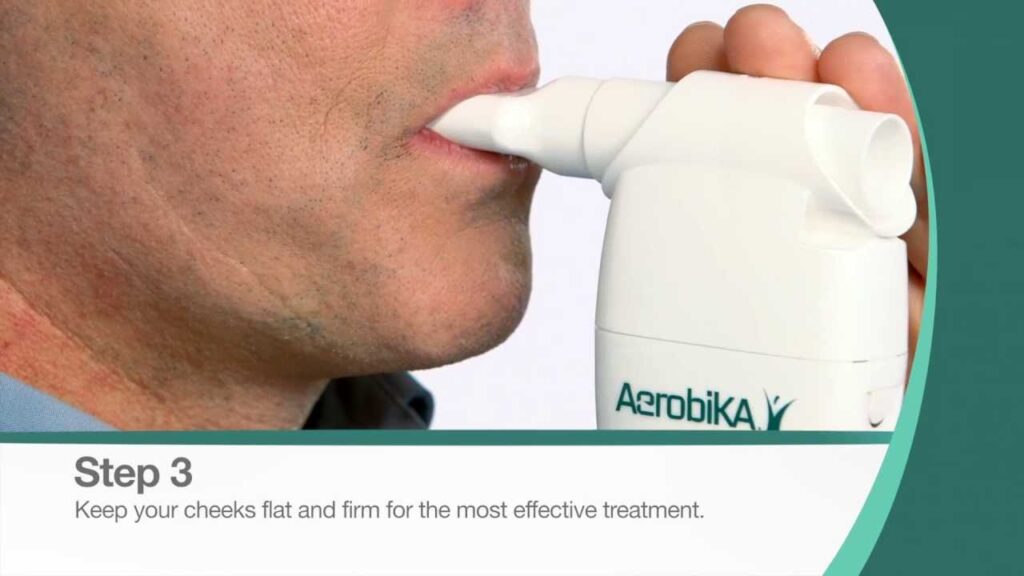
Users should perform a daily Aerobika cleaning routine after each therapy session to maintain hygiene and device functionality. This quick device rinsing takes only a few minutes but provides significant protection against contamination.
The daily cleaning process involves three simple steps:
- Disassemble the device into its basic components immediately after use.
- Rinse each part thoroughly under warm running water to remove mucus and saliva.
- Shake off excess water and place components on a clean towel or drying rack.
Air drying represents a critical component of daily maintenance tips. Each part must dry completely before reassembly, typically requiring 2-3 hours in a well-ventilated area. Moisture trapped inside the device creates an ideal environment for bacterial growth, undermining the entire cleaning effort.
Daily cleaning prevents residue accumulation that hardens over time and becomes difficult to remove. Fresh mucus and saliva rinse away easily with warm water, while dried secretions require intensive scrubbing that may damage delicate components. This consistent approach reduces the workload during weekly deep cleaning sessions, which are essential for maintaining optimal functionality of the device as outlined in this guide.
Users who skip daily rinsing often notice decreased airflow resistance accuracy and compromised therapy effectiveness. The valve mechanism becomes sticky, and the mouthpiece develops an unpleasant odor within days of neglect.
What Does Weekly Deep Cleaning of the Aerobika Involve?
Weekly deep cleaning Aerobika sessions require complete disassembly and thorough washing of all components. This process goes beyond daily rinsing to eliminate accumulated bacteria, dried mucus, and other contaminants that regular water exposure cannot remove.
Step-by-Step Disassembly Process
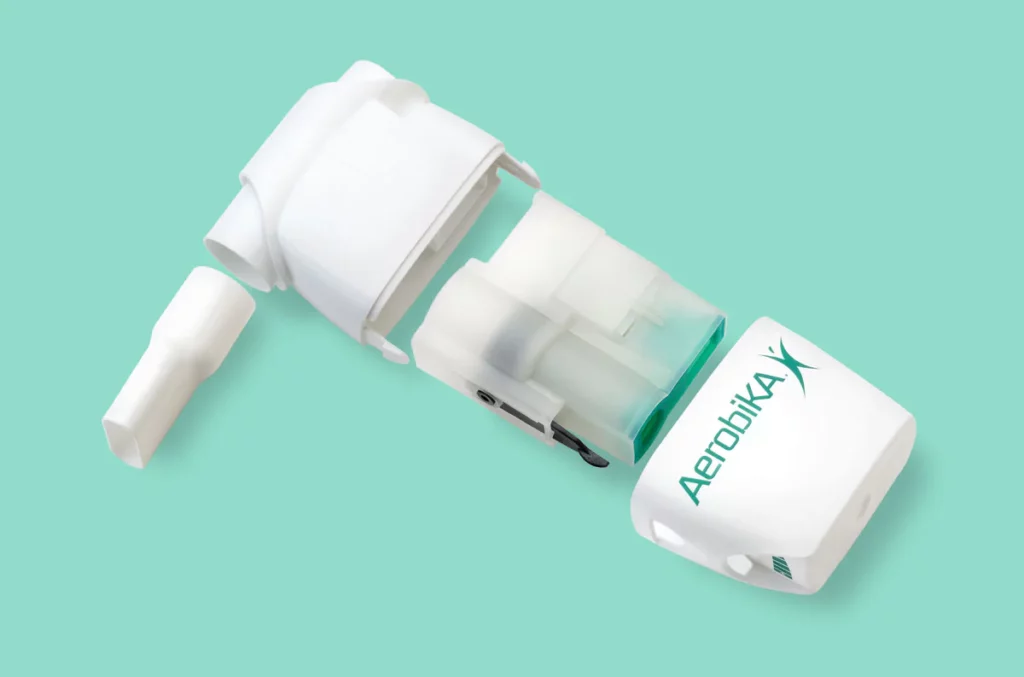
Disassembling Aerobika parts follows a specific sequence to access all surfaces:
- Remove the mouthpiece from the main body
- Separate the outer case from the internal components
- Extract the valve cartridge carefully
- Detach the resistance indicator dial
Each component should be placed on a clean towel to prevent contamination during the cleaning process.
Thorough Device Cleaning Technique
Apply a few drops of mild dish detergent to each disassembled part. Use a soft-bristled brush to scrub all surfaces, paying special attention to crevices where mucus and saliva can accumulate. The valve cartridge requires gentle circular motions to clean its intricate mechanisms without causing damage.
Inspection and Maintenance Check
Weekly cleaning provides an opportunity to examine each component for signs of deterioration. Look for cracks in the plastic housing, worn edges on the valve, or discoloration that might indicate material breakdown. Any damaged parts should be replaced immediately to maintain therapy effectiveness.
Rinse all components under warm running water until soap residue disappears completely. Shake off excess water and place parts on a clean, lint-free cloth to air dry for several hours before reassembly.
What Are the Best Practices to Follow When Cleaning the Aerobika?
Best cleaning practices Aerobika center on using gentle, appropriate products that protect the device while eliminating contaminants. Always select mild dish soap or similar non-abrasive cleaners usage options, steering clear of bleach, alcohol-based solutions, or harsh chemicals that can degrade plastic components and compromise the device’s structural integrity.
1. Prioritize Hygienic Handling Techniques
Hygienic handling techniques start before you even touch the Aerobika. Wash your hands thoroughly with soap and water for at least 20 seconds to prevent transferring bacteria or pathogens onto the device during cleaning. This simple step significantly reduces contamination risk and maintains the device’s sanitary condition.
2. Protect Your Cleaning Efforts with Proper Storage
Proper storage between uses protects your cleaning efforts. Store the fully dried Aerobika in a clean, dry location away from bathroom moisture and dust. Consider using a breathable storage bag or container that allows air circulation while keeping the device protected. Avoid sealing it in airtight containers while any moisture remains, as this creates an environment conducive to bacterial growth.
3. Empower Users through Education
User education plays a critical role in maintaining device hygiene. Caregivers and patients should understand why each cleaning step matters, not just how to perform it. Demonstrating proper techniques during initial device training and providing written instructions ensures consistent compliance. Regular reinforcement of these principles helps establish cleaning as a non-negotiable part of respiratory therapy routines.
How Can Users Identify When the Aerobika Needs Immediate Cleaning?
Here are some signs that indicate your Aerobika needs immediate cleaning:
1. Visible Residue Detection
The most obvious sign that your Aerobika needs cleaning is when you see visible residue on it. This can include mucus, saliva, or condensation buildup on the mouthpiece, valve cartridge, or inner surfaces. Such buildup creates an environment where harmful germs can thrive.
Any cloudiness, film, or sticky residue means bacteria have already begun colonizing the device, compromising both hygiene and therapy effectiveness.
2. Odor Indicators
Another important sign to watch out for is any unusual smell coming from your Aerobika. If you notice a musty, sour, or unpleasant odor, it could be a sign of bacterial or mold growth within hard-to-see areas of the device.
These microorganisms release volatile compounds as they multiply, creating distinctive odors that should never be ignored. Fresh, properly maintained devices remain odor-free.
Recognizing these signs and taking action to clean your Aerobika promptly can help prevent serious health consequences. Contaminated devices can introduce harmful bacteria directly into airways, potentially causing respiratory infections or worsening existing conditions like COPD or bronchiectasis. Users with weakened immune systems are at even greater risk from device contamination.
Immediate cleaning becomes essential when you see visible residue or smell unusual odors. Waiting until the next scheduled cleaning may allow bacteria to establish themselves more deeply, making thorough sanitization difficult. Taking prompt action helps maintain the therapeutic benefits while protecting your respiratory health from preventable infections.
See Also : Where to Buy Aerobika: 5 Tips for Finding Authentic, High-Quality Devices
When and How Should Disinfection Be Performed on the Aerobika?
Disinfecting Aerobika device should occur weekly or after illness to eliminate pathogens that regular cleaning might miss. The most effective method involves soaking disassembled components in 3% hydrogen peroxide for exactly 30 minutes, which kills bacteria, viruses, and fungi without damaging the device materials.
After the hydrogen peroxide soak instructions are complete, rinse each part thoroughly under running water to remove all traces of the solution. Any residual hydrogen peroxide can irritate airways during use. Allow all components to air dry completely on a clean towel or drying rack before reassembly—moisture trapped inside creates an environment where microorganisms thrive.
Nebulizer parts sterilization offers an alternative for heat-resistant components. Boiling compatible parts in water for five minutes provides effective disinfection, though users should verify their specific Aerobika model allows this method. Not all device materials tolerate high temperatures without warping or degrading.
The distinction between cleaning and disinfecting matters significantly for respiratory health. While daily rinsing removes visible debris and weekly washing eliminates buildup, disinfection targets microscopic pathogens that pose infection risks. This becomes especially critical for immunocompromised users or during respiratory infection recovery periods.
Disinfection frequency may increase based on individual health status, environmental conditions, or healthcare provider recommendations.
What Are the Benefits of Following a Regular Maintenance Schedule for the Aerobika?
The benefits of regular maintenance for the Aerobika go beyond just keeping it clean. Here are some key advantages:
1. Improved Therapy Effectiveness
Consistent cleaning directly enhances therapy effectiveness by ensuring the device’s valve mechanism operates without obstruction, delivering optimal oscillating positive expiratory pressure (OPEP) to mobilize mucus efficiently.
2. Infection Prevention
Scheduled maintenance makes it much easier to prevent infections caused by airway devices. Contaminated respiratory equipment can introduce harmful bacteria, fungi, and pathogens directly into the airways, potentially triggering respiratory infections or worsening existing conditions like COPD, bronchiectasis, or cystic fibrosis. Regular cleaning breaks this cycle of contamination. Visit https://healthinfonet.ecu.edu.au/learn/health-topics/respiratory-health/ to get more about respiratory health.
3. Prolonged Device Lifespan
To prolong the lifespan of the Aerobika, both cleaning and inspection routines need attention. Weekly deep cleaning allows users to identify worn components, cracks, or degradation before they compromise device function. Replacing damaged parts promptly prevents complete device failure and avoids unexpected costs.
4. Improved Health Outcomes
Health outcomes improve measurably when users maintain their Aerobika according to recommendations in How Often to Clean Aerobika: A Practical Maintenance Guide for Safe Use. Clean devices support:
- Reduced frequency of respiratory infections requiring medical intervention
- Better mucus clearance leading to improved breathing capacity
- Decreased need for rescue medications or emergency care
- Enhanced quality of life through consistent symptom management
The investment of a few minutes daily and 15-20 minutes weekly protects both the device and the user’s respiratory health, creating a sustainable approach to long-term airway clearance therapy.
Conclusion
Maintaining your Aerobika device through consistent cleaning practices directly impacts both safety and therapeutic outcomes. Daily rinsing and weekly deep cleaning form the foundation of proper Aerobika maintenance, while prompt attention to visible residue or unusual odors prevents contamination risks. Safe use of respiratory devices demands commitment to these simple yet critical hygiene protocols.
Adopting a practical maintenance routine transforms the Aerobika from a simple medical tool into a reliable partner in respiratory health management. The time invested in proper cleaning—just minutes each day—protects against infections, preserves device functionality, and ensures every therapy session delivers maximum benefit. Your respiratory health deserves this level of care and attention.